More than 80 cancelled flights during the recent Air Peace disruption exposed an uncomfortable truth about Nigerian air travel. The passenger remains the industry’s biggest financier yet becomes invisible when aviation disputes erupt. NigerianFLIGHTDECK believes this must change. Every naira spent on travel helps fund airlines, airports, agencies, workers, investors and government revenues. That passenger deserves more than a boarding pass and a refund promise.
There is a recurring pattern in Nigerian air travel. When crises erupt, institutions dominate the conversation.
Airlines defend themselves. Unions justify actions. Regulators explain procedures. Government promises investigations. The passenger, however, is left stranded, literally and figuratively, wondering how their travel plans became collateral damage.
The passenger rarely gets a seat at the table. Yet in aviation, the airline is the contractual face of the journey. So, when travel fails, passengers naturally turn to the airline, regardless of who caused the disruption. That is the reality of the Nigerian air travel system, and it demands accountability.
The Passenger Funds More Than a Flight
Strip air travel down to its core, and the structure becomes clear. A ticket purchase sustains airlines, pays staff, covers aircraft leases, fuel, maintenance, airport charges, taxes and regulatory fees. Without passengers’ revenue, the system weakens quickly.
But air travel also sustains a wider economy. Airports depend on it. Ground handlers depend on it. Catering firms depend on it. Government revenue depends on it. Investors depend on it. The entire air travel ecosystem is interconnected.
This is why every naira spent on Nigerian air travel matters. It is not just a seat from Lagos to Abuja; it is participation in a national economic chain built around air transport.
Yet when disputes arise, the passenger becomes an afterthought.
Passengers Pay, Then Become Collateral Damage
On August 11, hundreds of passengers arrived expecting normal operations. Instead, they faced cancellations, delays and confusion on Air Peace because a union which the airline did not belong decided it would be so. The disruption in travel affected business meetings, medical appointments, weddings and international connections.
Some passengers lost contracts. Others missed critical events. These consequences of disrupted aviation are rarely captured in refund policies. A refund covers the ticket, not the life impact of failed air travel.
This is why passenger protection must go beyond financial reimbursement. The human cost of disrupted air travel is often far greater than the ticket price.
Nigerian Air Travel Cannot Survive Without the Passenger
At its core, air travel is a chain of trust. Passengers fund airlines. Airlines fund operations. Operations sustain jobs. Jobs sustain the economy. Government benefits from taxes generated by air transport. Break that chain and system collapses into instability. That is why disputes affecting legitimate air travel operations must be handled with caution.
Unions have a right to defend workers. But they must also understand that sustained disruption of travel weakens the very system that employs those workers.
Unions Must See the Bigger Picture
The labour movement must also ask: what happens if repeated disruption destroys air travel businesses?An airline that collapses cannot sustain aviation jobs. It cannot pay salaries. It cannot support airport operations. It cannot contribute to taxes or fees.When travel businesses disappear, everyone loses. Workers, unions, government and passengers alike, albeit some more than others.
Ask What Happened to the Airlines That Disappeared
Nigeria’s aviation history is filled with defunct carriers. Each collapse reduced air travel capacity and weakened the ecosystem. Chanchangi, Bellview, Air Nigeria and others once supported national travel networks.
What remains after their exit? Fewer travel options, lost jobs, reduced revenue and weakened industry confidence.
This is the long-term cost of instability in aviation. Short-term victories in disputes can lead to long-term losses intravel sustainability.
The Passenger Is the Missing Stakeholder
In most aviation disputes, stakeholders focus on their own interests. Airlines focus on operations. Unions focus on workers. Regulators focus on compliance. Government focuses on stability.
But who speaks for the passenger?
The passenger funds the entire air travel ecosystem. Without passengers, there is no aviation industry. Yet the passenger is often the least represented voice in crises.
The Airline Is Not Always the Cause
In the Air Peace case, the airline argued that external actions disrupted flight operations. This distinction matters in air travel accountability.
Not every disruption in aviation is caused by the airline. Some are external. Some are operational. Responsibility in air travel must be determined fairly, not assumed.
Passengers should not bear the full burden of failed air travel when the cause lies elsewhere.
The Right to Protest Comes with Responsibility
Industrial action is part of air travel labour relations. However, it must be exercised responsibly. Disrupting travel affects thousands of innocent passengers who are not part of the dispute.
The right to protest in the Nigerian air travel system must be balanced with the responsibility to protect the system that sustains aviation jobs and revenue.
Do Not Destroy the Goose That Lays the Eggs
Every functioning air travel system generates jobs, revenue and economic activity. When air travel collapses, those benefits disappear.
Airports lose revenue. Workers lose jobs. Government loses taxes. And the Nigerian air travel passengers lose options. A weakened air travel industry benefits no one.
The Vicious Circle Must Stop
Disruption in Nigerian air travel land everywhere else for that matter leads to lost confidence. Lost confidence reduces demand. Reduced demand weakens airlines. Weak airlines reduce travel capacity. The cycle continues.
Nobody wins in a broken air travel system: not airlines, not workers, not unions, not government, and certainly not travelling passengers.
The Passenger Must Become the First Consideration
Every air travel disruption should begin with one question: what happens to the passenger? How will Nigerian air travel passengers be assisted? How will they be rebooked? How will they be informed? How will their air travel plans be protected?
Passenger welfare must be central to aviation planning, not an afterthought.
Regulators Must Strengthen the Rules
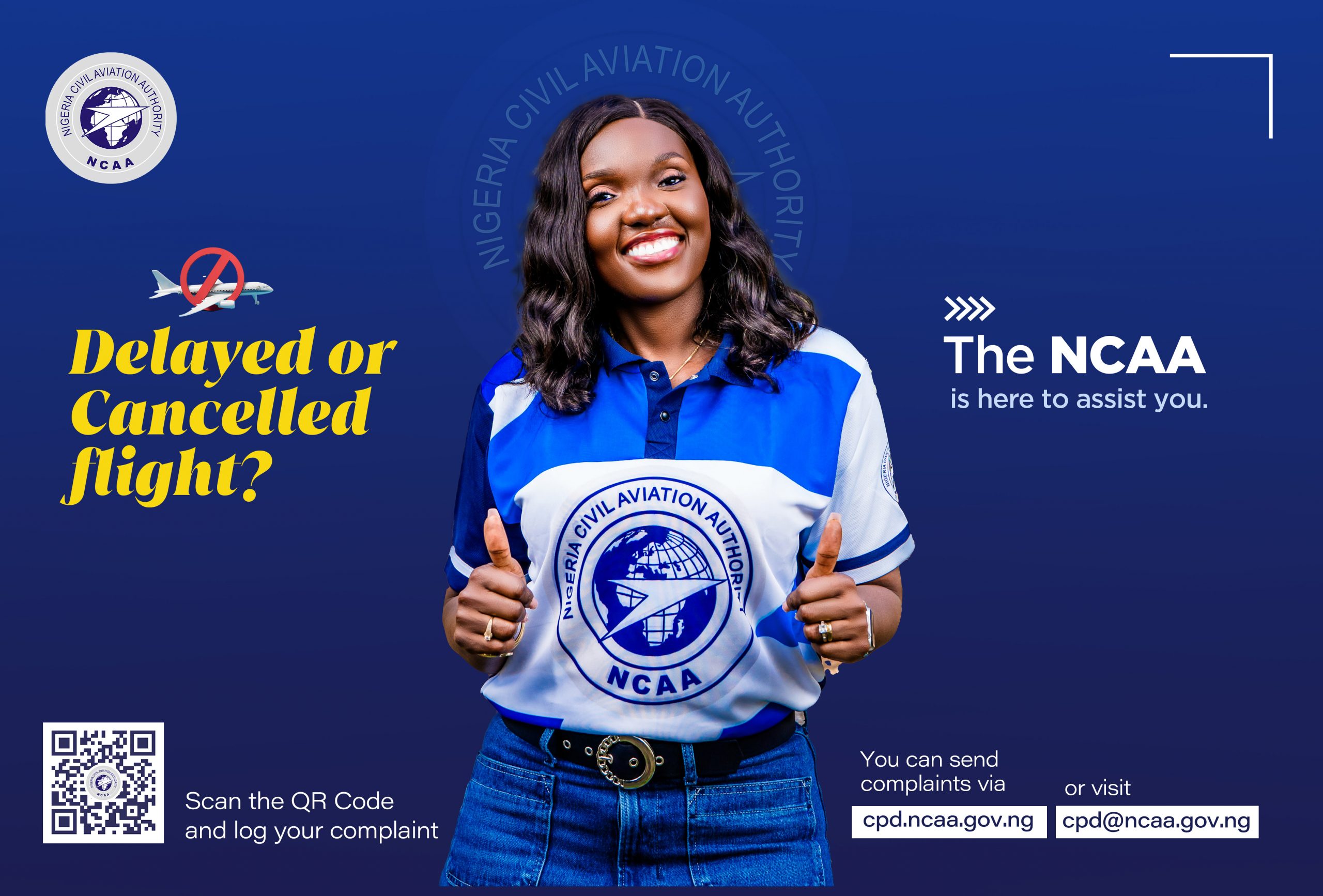
The NCAA already regulates Nigerian air travel protection, but recent events show gaps. Stronger frameworks are needed for industrial disruptions affecting flight operations.
Clear rules must define responsibilities in crises, including communication, refunds and passenger care during air travel breakdowns.
Follow the Money
The foundation of Nigerian air travel and air travel everywhere else is simple: passengers fund it. Every air travel ticket contributes to salaries, operations, taxes and infrastructure. So why is the passenger absent from air travel decision-making? That is the central contradiction in air travel today.
The passenger cannot be the afterthought. commercial aviation is a commercial promise. When that promise breaks, passengers should not suffer alone. Accountability must be shared fairly among all stakeholders. The passenger is not just a user of air travel. The passenger is the reason Nigerian air travel exists.
Final Boarding Call
The Air Peace disruption should force reflection across Nigerian airline operations. Airlines must respect passengers. Unions must protect workers without destroying air travel systems. Regulators must safeguard the integrity of air travel. The government must stabilise airline operations, because when air travel fails, everyone pays the price.
Passengers fund air travel. They should never be the ones caught in its crossfire.