As passengers groaned under astronomical ticket prices during the December rush, Nigerian airlines repeatedly blamed “18 government taxes” for the surge.
However, the Nigerian Civil Aviation Authority (NCAA) and the National Association of Nigerian Travel Agents (NANTA) have provided diverse views, stating that none of these charges increased in December. The regulator (NCAA) identified operational imbalance, not taxation, as the key driver of soaring fares.
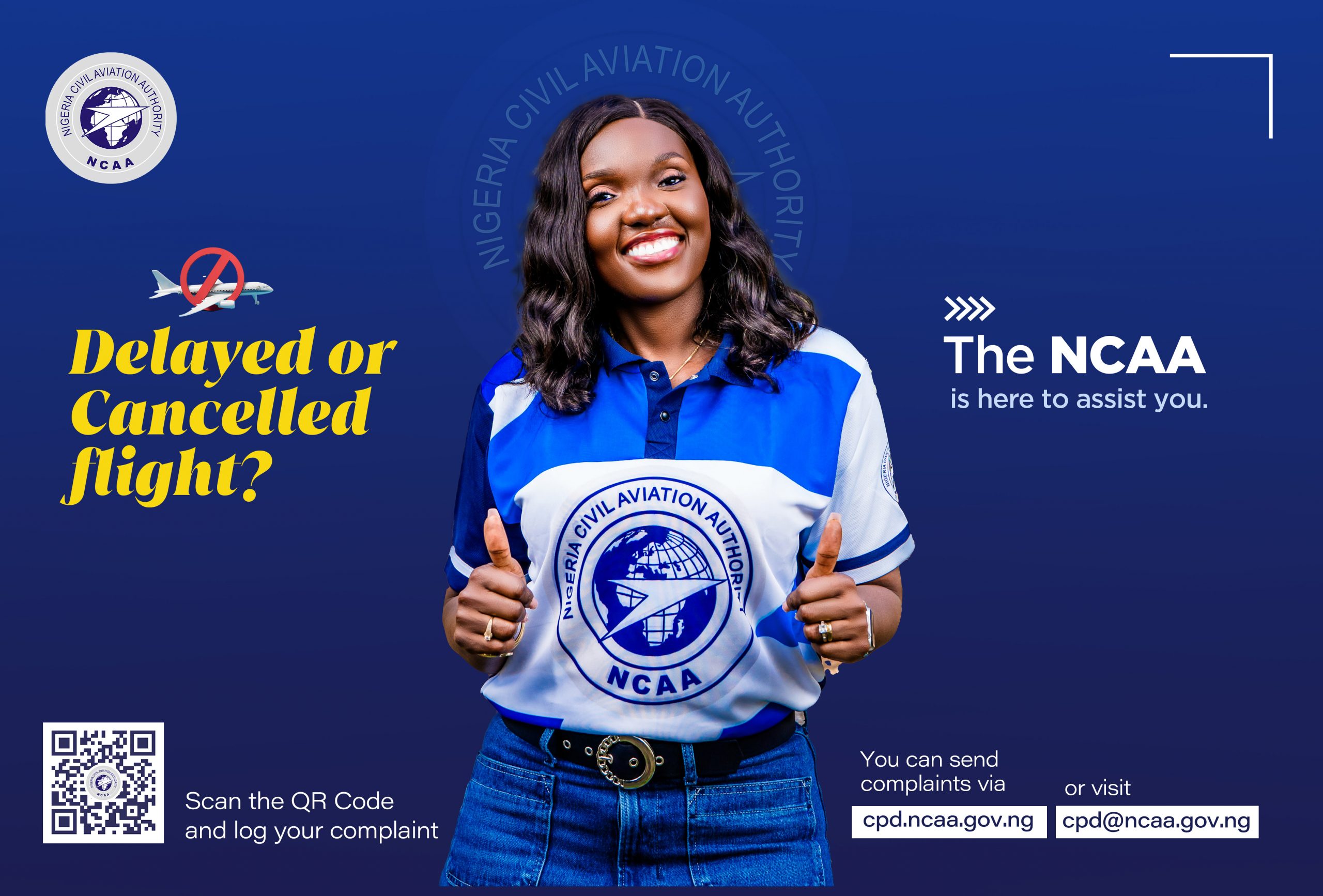
At the Aviation Town Hall meeting themed “High Air Fares: Are Airlines Really the Problem?”, NCAA Director of Consumer Protection and Public Affairs, Michael Achimugu, said the spike in astronomical ticket prices was being misattributed.
“There were no hikes in any taxes at all in December,” Achimugu said.
“So the explanation offered to Nigerians over the December airfare hike should never have been about 18 taxes or multiple taxation by government.”
Why Taxes are Not Cause for Astronomical Ticket Prices
Achimugu explained that if taxes were the cause, fares would rise uniformly across the year. Instead, December fare prices soar sharply because flights departing Lagos and Abuja to southern destinations operate at near-full capacity, while return flights often carry very few passengers.
“The conversation about the empty flights returning from the south should have been the explanation,” he added.
“This conversation requires honesty in totality if you want to truly resolve the issues.”
The NCAA said the airlines would have tailored their narrative around cost recovery for both legs of a flight. When outbound flights are full but inbound flights are nearly empty, airlines concentrate cost recovery on the high-demand leg, resulting in astronomical ticket prices.

“Even if everything else is taken care of and airfares reduced as operators demand, in December the same hikes will still occur regardless of any other factor,” Achimugu said.
He also rejected claims that government neglect caused the fare spike. Citing policy support, access to aircraft leasing, and approvals for international routes, Achimugu argued that government interventions have been consistent.
“Long before this administration came into office, Nigerian airlines did not have access to dry leases,” he said.
“Largely, that situation has been resolved, yet astronomical ticket prices persist during peak periods.”
Supporting the NCAA’s observations, Dr. Yinka Folami, President of the National Association of Travel Agents (NANTA), highlighted airline-controlled surcharges as the main driver of December fare spikes.
“What you find for January, February, you’ll find out that the airline-imposed charges have gone down by about 50%,” Folami said.
“That’s why you now get a one-way ticket for between ₦120,000, ₦140,000, and ₦150,000, unlike what it was in December.”

Folami noted that travel agents, positioned between government, airlines, and passengers, consistently observe these fluctuations. He urged airlines to adopt global best practices, including early inventory release for peak periods.
“When you know that we are approaching the peak seasons, allow advanced purchases,” Folami said.
“Allow me to buy my ticket three, four, or five months ahead of Christmas.”
However, the NCAA clarified that early ticket availability is limited by operational uncertainty. During his presentation, Achimugu referenced a discussion with Professor Obiora Okonkwo, Chairman of United Nigeria Airlines and AON spokesman.
“Airlines cannot publish itineraries unless aircraft capacity is secured,” Achimugu said.
“Where aircraft availability depends on short-term leasing or ACMI arrangements, fares cannot be loaded into inventory early. Without that, it would not be possible to put some fares.”
The Town Hall, hosted by Sindy Foster of Avaero Capital Partners and Alex Nwuba of the Aircraft Owners and Pilots Association (AOPA), highlighted the complexity of the December fare issue. Foster pointed out that capacity constraints, not just pricing, drive astronomical ticket prices.
“Either capacity increases, meaning more seats are available to spread costs, or underlying costs come down,” she said.
“Without either, the loop will persist, and astronomical ticket prices remain inevitable.”
Achimugu concluded that transparent communication and structural solutions are vital to addressing the recurring December surge.
“We are partners in progress,” he said. “But until we have honest conversations about each component that determines airfares in Nigeria, including the operational imbalance, astronomical ticket prices will continue to frustrate passengers.”
The Town Hall made clear that December fare spikes are not caused by government taxes but by a combination of operational imbalance, high demand, and capacity limitations. Until airlines, regulators, and travel agents address these issues candidly, Nigerians can expect astronomical ticket prices each festive season.